

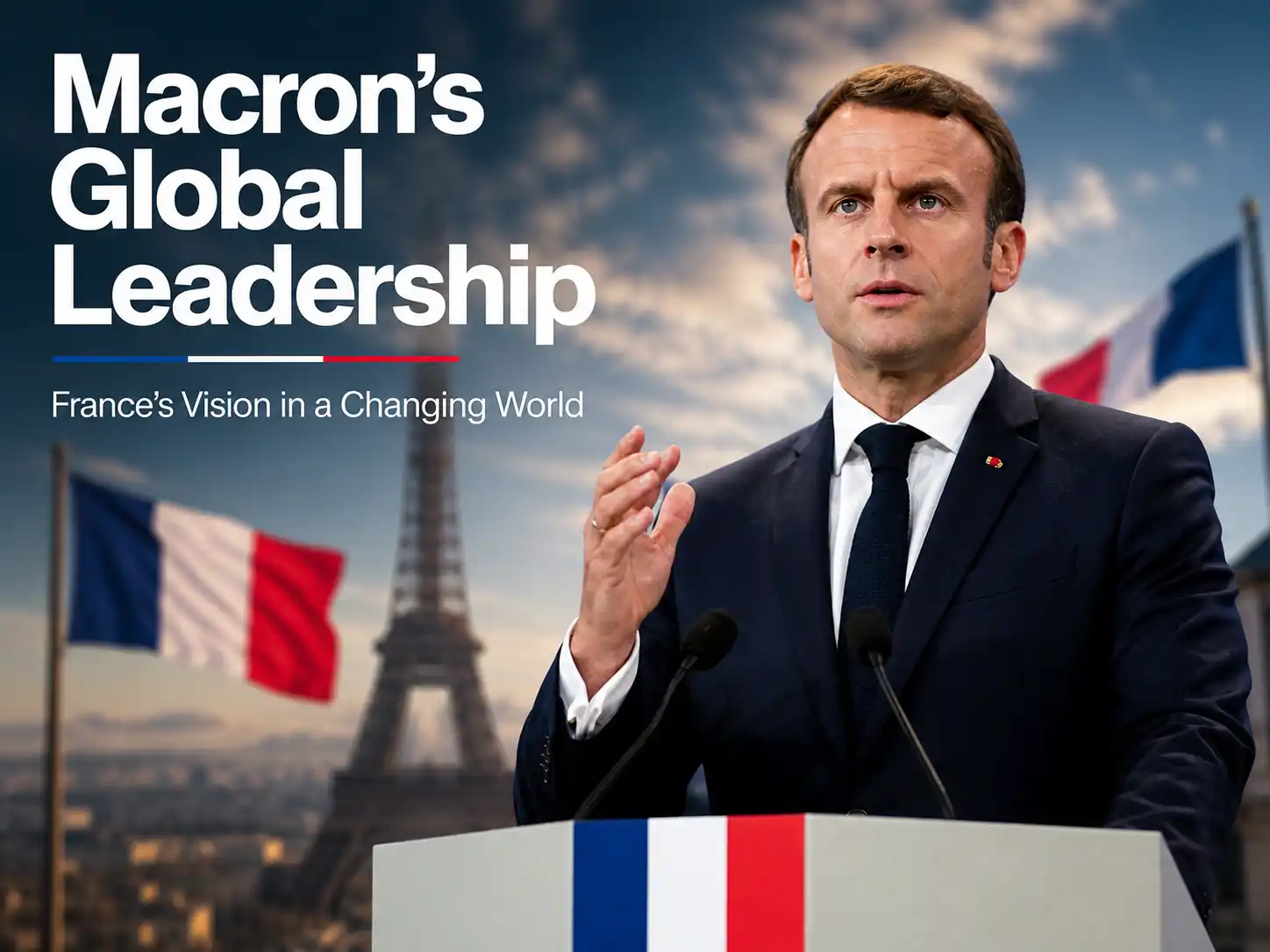
Emmanuel Macron remains one of the most closely watched political leaders in Europe, shaping not only France’s domestic agenda but also the broader direction of the European Union. Since first taking office in 2017, Emmanuel has positioned himself as a reform-driven centrist, balancing pro-business policies with social protections while navigating complex global challenges.
A Reform-Oriented Presidency
From the outset, Emmanuel Macron focused on modernizing France’s economy. His government introduced labor reforms aimed at making hiring and firing more flexible, reduced corporate taxes, and encouraged foreign investment. These moves were designed to boost competitiveness and reduce unemployment—long-standing concerns in the French economy.
While these reforms gained support from business leaders and international investors, they also sparked protests. The “Yellow Vest” movement highlighted the tension between economic modernization and social equity. Emmanuel Macron responded by adjusting policies and launching national debates, demonstrating a willingness to recalibrate under public pressure.
Navigating Domestic Challenges
In recent years, Emmanuel Macron has faced growing political fragmentation at home. Parliamentary dynamics have become more complex, requiring negotiation and compromise to pass key legislation. Pension reform, one of his most controversial initiatives, triggered nationwide strikes and protests, testing his leadership and resilience.
Despite these hurdles, Emmanuel Macron continues to push forward with structural changes. His administration emphasizes long-term sustainability, fiscal discipline, and innovation—particularly in green energy and digital transformation. These efforts aim to future-proof the French economy while maintaining its global standing.
A Strong Voice in European Politics
On the international stage, Emmanuel Macron has emerged as a leading advocate for European unity. He consistently calls for deeper integration within the EU, including stronger defense cooperation and economic coordination. His vision includes reducing reliance on external powers and strengthening Europe’s strategic autonomy.
During geopolitical crises, Emmanuel Macron often plays a diplomatic role, engaging in dialogue with global leaders and promoting multilateral solutions. His approach reflects a blend of pragmatism and ambition, seeking to position France as a bridge-builder in international relations.
Economic Policy and Market Confidence
Financial markets closely monitor Emmanuel Macron due to his pro-business stance and reform agenda. Investors often view his leadership as a stabilizing factor in the Eurozone, particularly during periods of uncertainty. Policies that encourage entrepreneurship and innovation have contributed to improved investor sentiment.
From a betting industry perspective, political stability under Emmanuel Macron can influence market predictions and economic outlooks. Analysts often assess election outcomes, policy changes, and public approval ratings to forecast financial trends. This intersection between politics and predictive markets highlights the broader impact of leadership decisions.
Public Perception and Political Strategy
Public opinion on Emmanuel Macron remains mixed. Supporters appreciate his forward-thinking policies and international presence, while critics argue that some reforms disproportionately affect middle- and lower-income groups. This divide underscores the challenge of implementing transformative policies in a diverse society.
Strategically, Emmanuel Macron has adapted his communication style over time, aiming to connect more directly with citizens. Town hall meetings, media appearances, and digital outreach have become key tools in shaping his public image and maintaining engagement.
Global Influence and Future Outlook
Looking ahead, Emmanuel Macron faces a complex landscape. Global economic uncertainty, climate change, and shifting geopolitical alliances will require careful navigation. His ability to balance domestic priorities with international responsibilities will be critical in defining his legacy.
In the betting and forecasting sectors, future scenarios involving Emmanuel Macron—from policy shifts to electoral outcomes—continue to attract attention. These predictions are not just about politics; they reflect broader economic and social trends that influence global markets.
Conclusion
Emmanuel Macron stands at the intersection of reform, resilience, and global leadership. His presidency illustrates the challenges of driving change in a rapidly evolving world while maintaining public trust and economic stability. Whether viewed through a political, economic, or predictive lens, Emmanuel remains a central figure shaping the future of France and Europe.
As developments unfold, his decisions will continue to influence not only national policies but also international dynamics—making him a leader whose actions resonate far beyond France’s borders.
For More Infornmation – Theshayarihub